Training for Madeira

I started my training with a very rough plan of the mileage that I would be completing. I was also contemplating between a 5 month and a 4 month training period. I opted for the 5 month training period because I thought that it would give me more leeway to do what I wanted and more flexibility for when there were issues. Also I really wanted to do a lot of skiing in the winter too so I tried to build that into the plan. A disclaimer, this plan worked for me but may not work for everyone and you should customize you plan based on your abilities and availability.

My main running goal throughout my training was getting my mileage up. I believed this was the key to being able to finish the race. Vertical was and will always be important but I got most of that from the skiing. I had also learned the hard way to pay closer attention to my hips and core. Along with the trusty internet I crafted my plan.

Screen Shot 2019-05-13 at 8.29.12 PM

As you can see I didn’t folow it exactly and this is the end product, there were many iterations before this. That note at the bottom indicating hill repeats on Wednesday was not meant to be. I do have to say it is tough when you are trying to train for a running event and also want to ski a lot. Luckily the two sports compliment each other very well and I attribute a lot of the muscular endurance that I gained, from the skiing that I did.

I started off very easy in December almost like I was starting almost from nothing. I wanted the beginning of the training to be very easy and feel easy so that I could feel good and rested for the main block of the training coming in 2 months; nice confidence booster. What I like about creating my own training plans is the flexibility that you can change things on a dime based on how I’m feeling.

I gradually increased my mileage for 3 months to where it hit its peak at 66 miles. This may not seem like a lot considering that the race that I finished was 72 miles but I take quality over quantity in this case. The training culminated in two back to back long efforts two weeks apart. Although most of my weekends ended up being back to backs due to skiing.

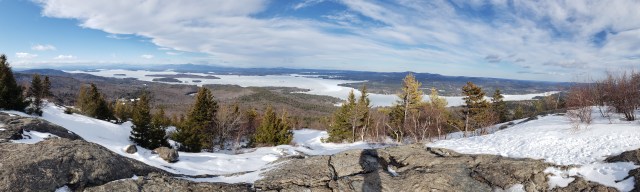
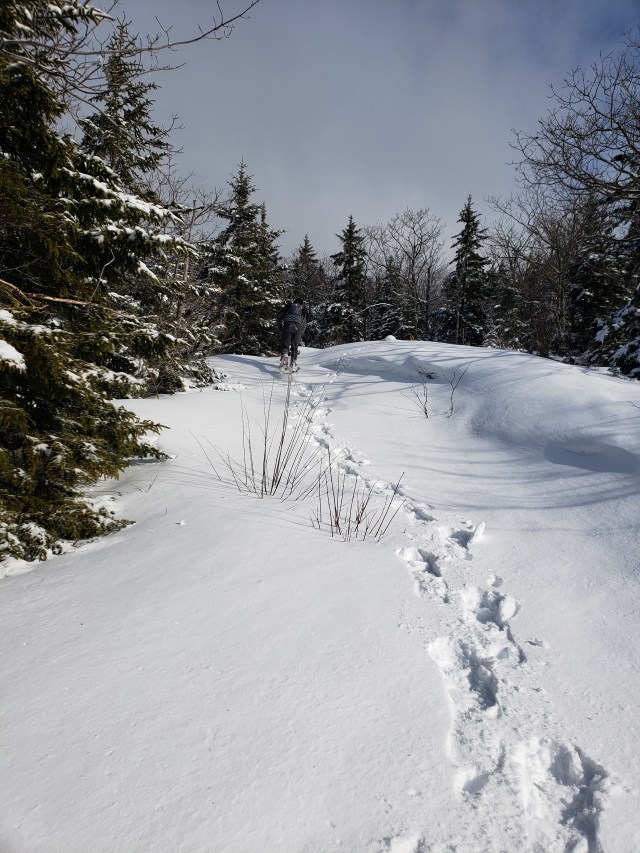
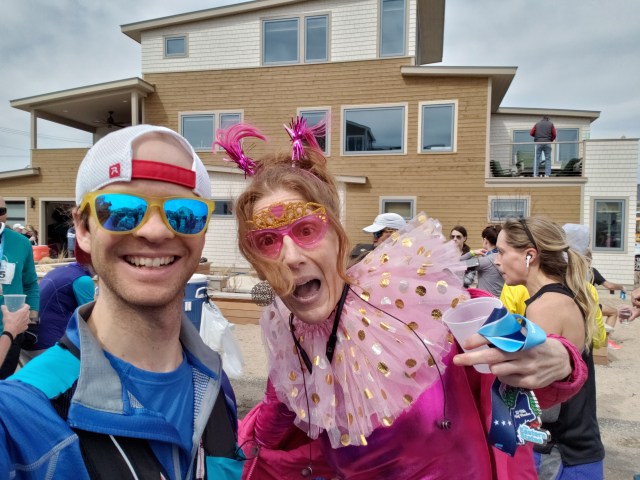
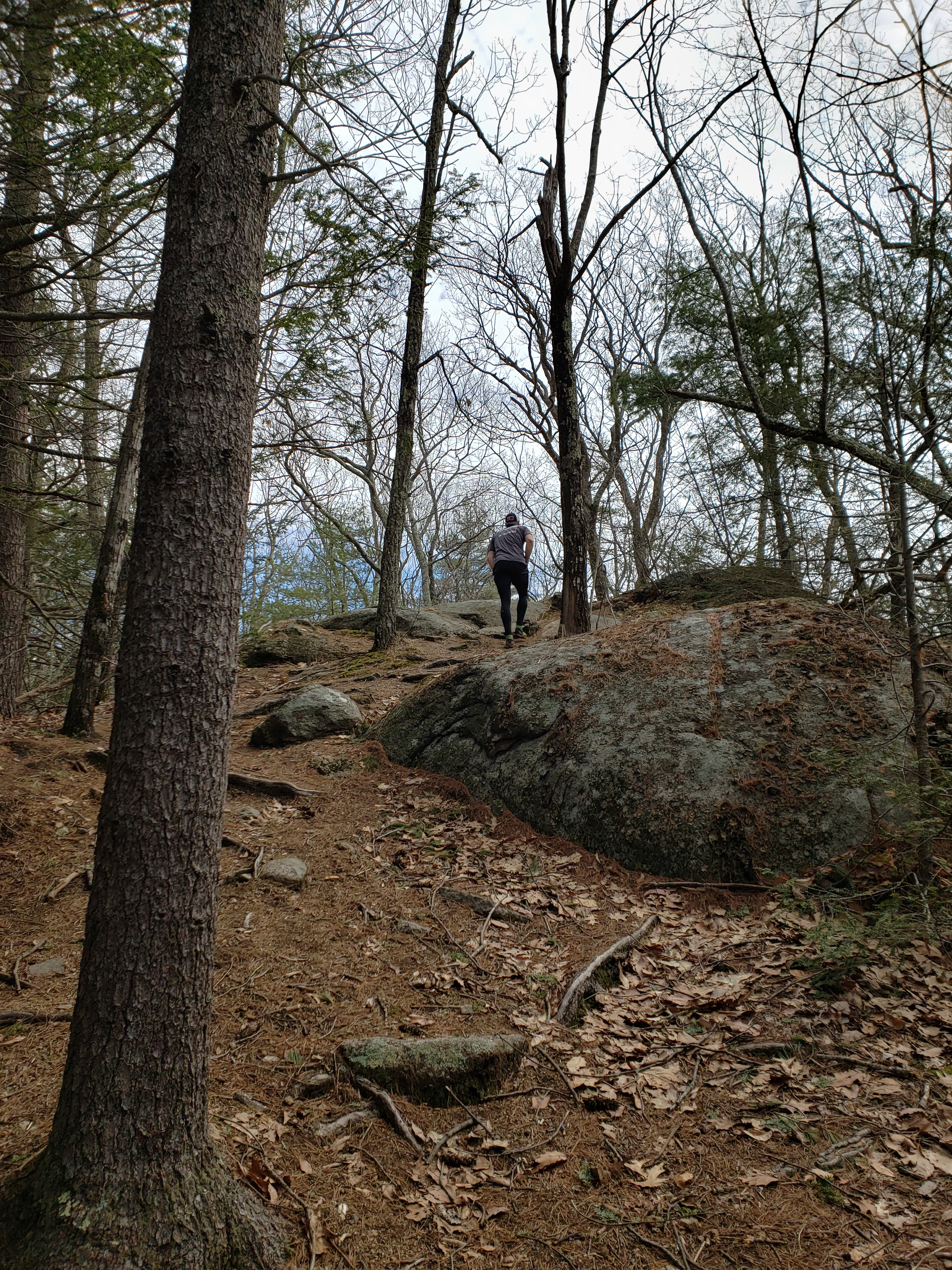
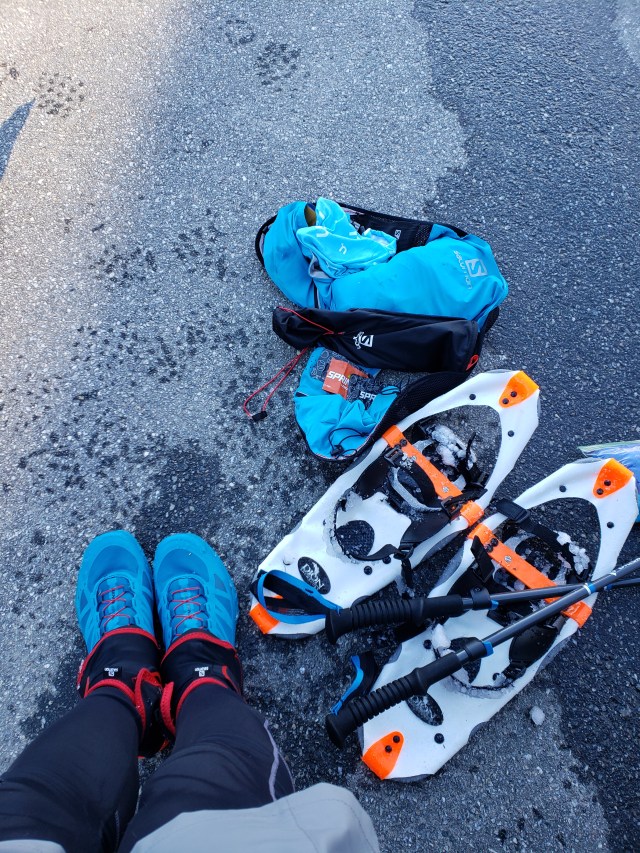
The first was a 24 mile Belknap traverse out and back with around 8000 ft of vertical. At this point there was still a lot of snow in the mountains so I had a do this one with snowshoes which made it even harder. Doesn’t help that it was my first time using snowshoes. Luckily it was a very nice day and I had some company for half of it. The entire thing took me 9 hours to complete. The next day I ran 20 miles around the seacoast which felt easy after the snowshoeing. The flat miles were good after the mountains and I joined some friends that were running the Eastern states race.

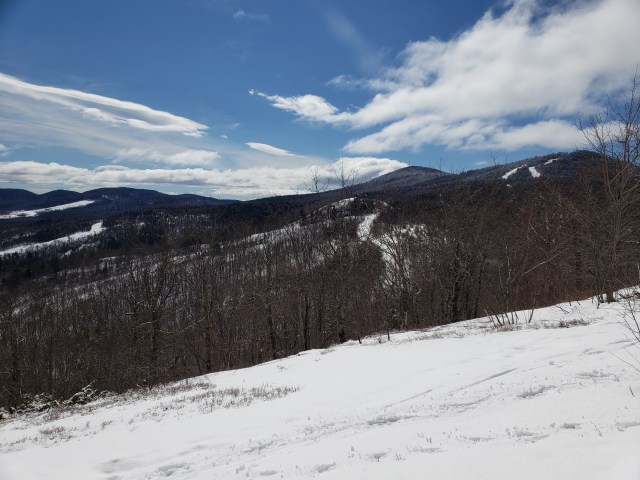
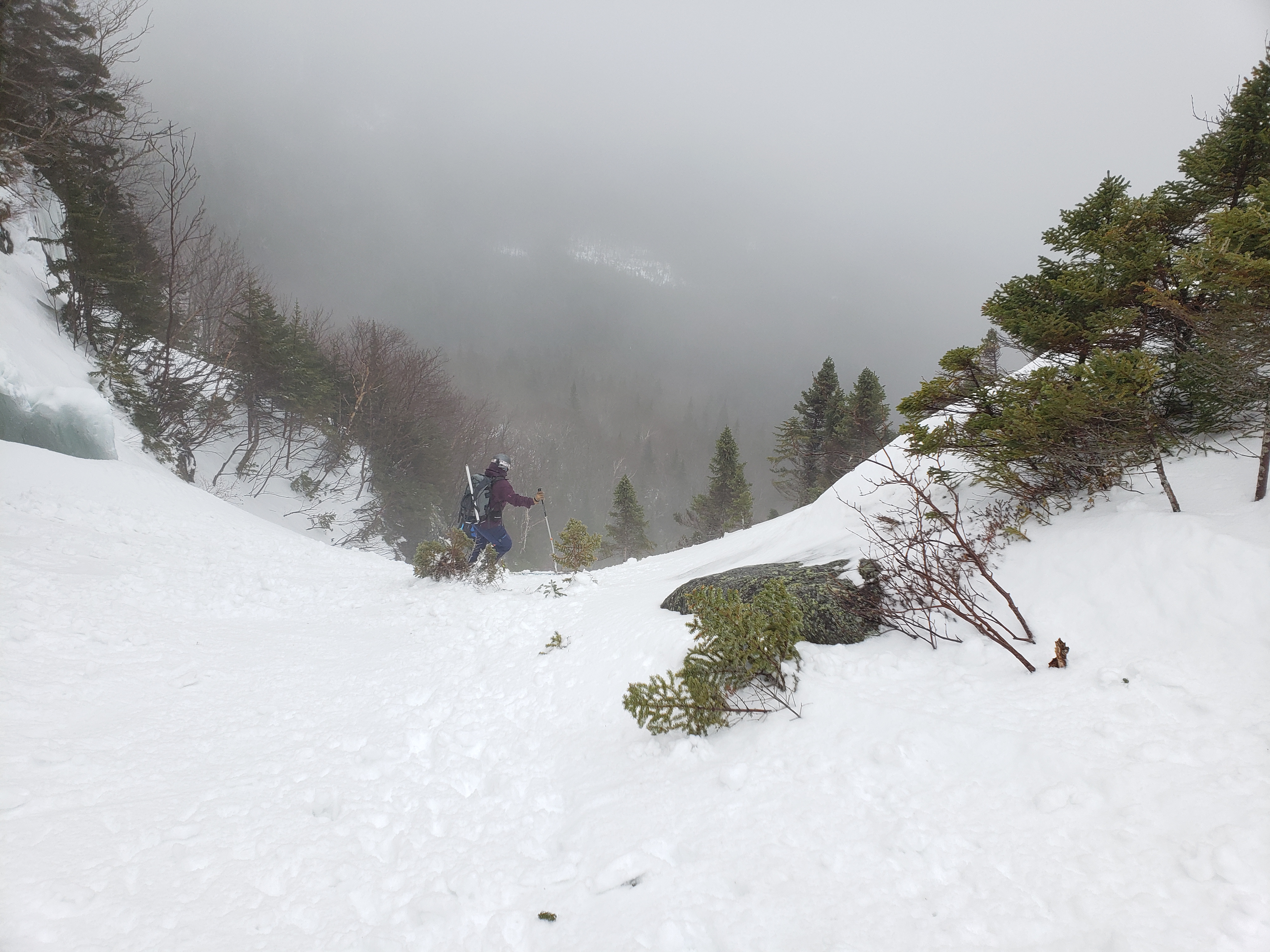
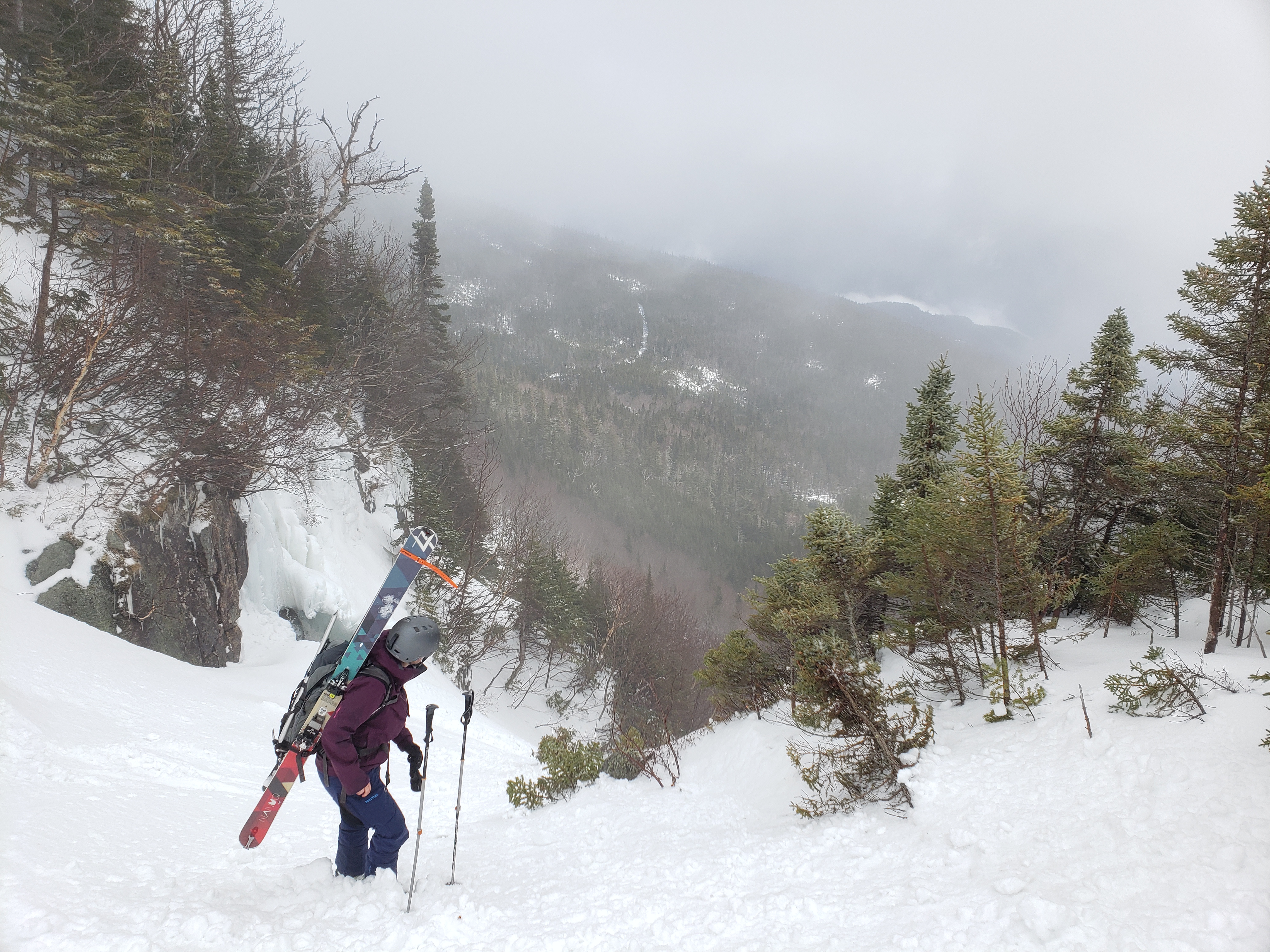
The second back to back I ended up doing as a multisport adventure. I started the morning off with some backcountry skiing to Raymond’s Cataract and some of the best skiing that I’ve had all year. The snow was soft and fun. Once I changed out of my ski boots and into my running gear I ran up and down the Tuckerman Ravine trail twice. Ended the day with 6 miles of skiing and 9.5 miles of running for a total of 8000 ft of vertical total for the day. The following day I headed off to Mt Agamenticus for 16 miles with friends and another 3500 ft of vertical, 11 K for the weekend.
Another piece that I tried to fit in was mobility and strength work. This is also very important as it prevents injuries and when you run as much as you do as an Ultrarunner can happen sooner rather than later. I learned from VT50 (the hard way) that hips are one of the most important things to work on so I worked on that as much as I could; at least once a week. I also included more core workouts than I usually do and yoga sessions. To be clear I don’t ever go to the gym, I did this all from the comfort of my small apartment for free.

Finishing up my training I was starting to feel pretty fatigued and kind of just tired when I went out so I opted for a 3 week taper period to ready myself. I needed to make sure that I was fully recovered by the time Madeira rolled around. One week before Madeira I was ready to get on the plane and feeling good. I had just hoped that all the training would pay off and now in retrospect I had very little issues. It was the sheer amount of vertical and distance that would get me in the end.
Madeira Island Ultra Trail: Stairway to exploded quads

The race was about to start at Midnight on Saturday April 27th. I was surrounded by dozens of runners waiting in anticipation as they played pump up music and started the count down sending the crowd into a frenzy with adrenaline surging. The second they yell “Go!”, nothing happens. Then about a minute later the group begins to shuffle forward under the start gate and into the night. This was the beginning of my very first international race and the craziest thing I have ever done.

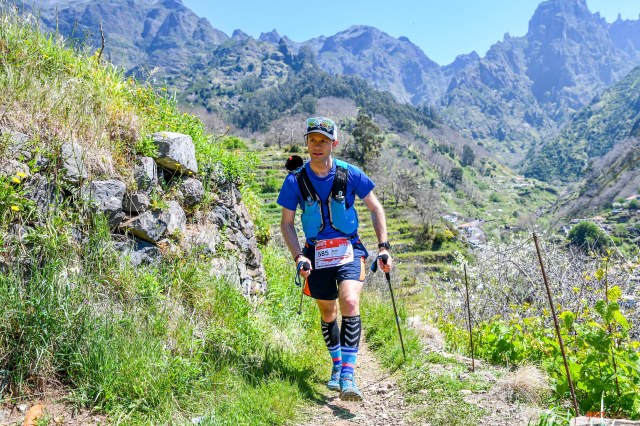
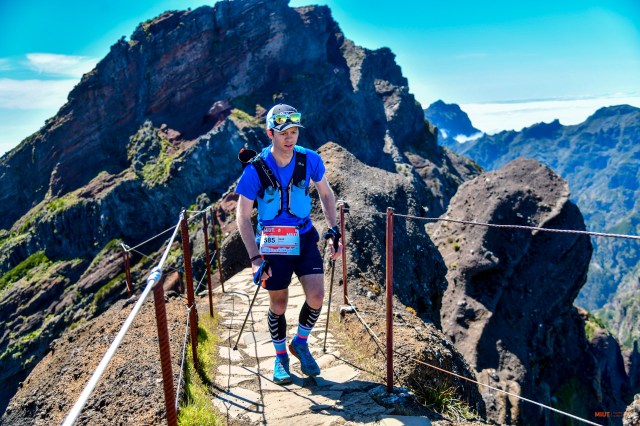
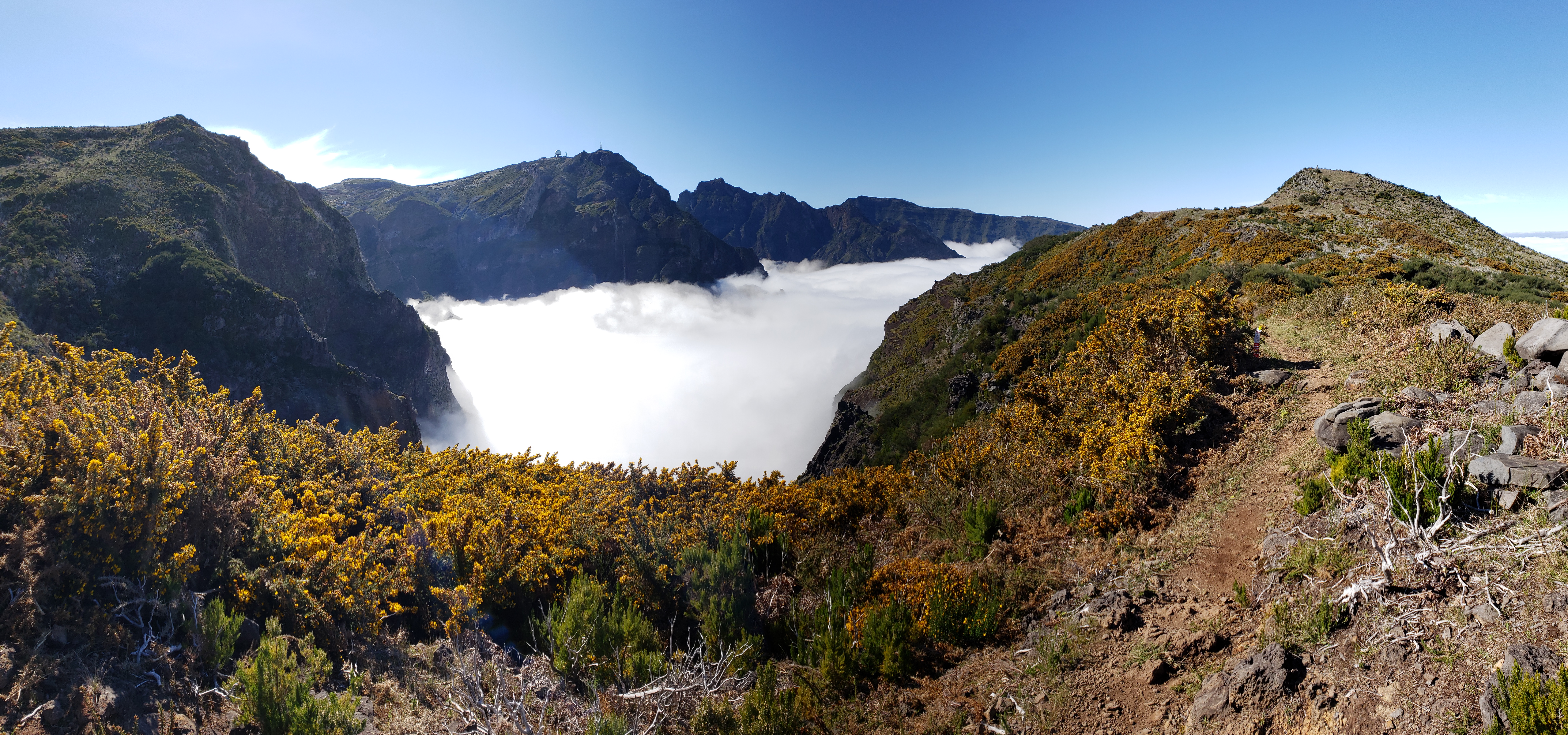
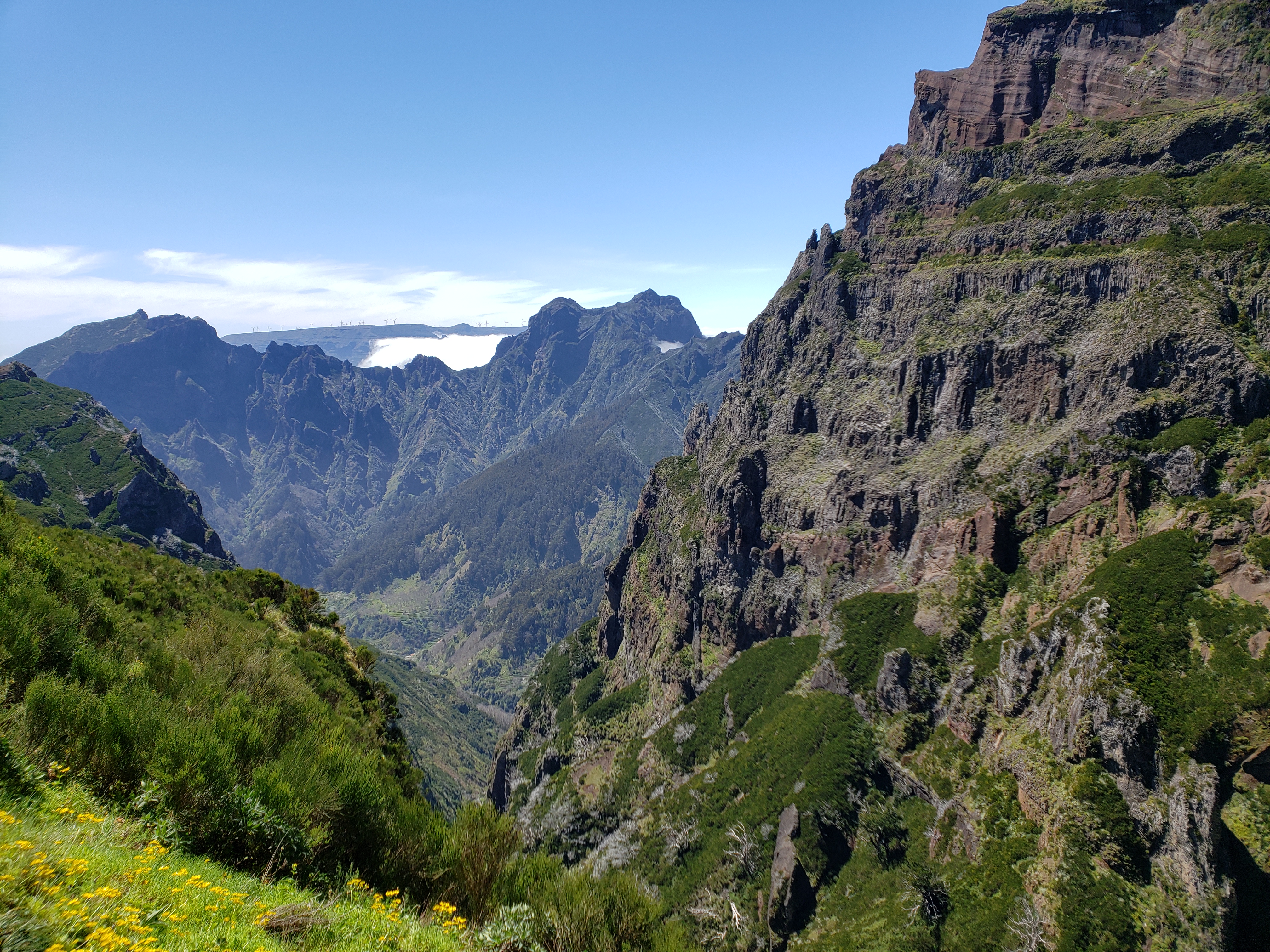
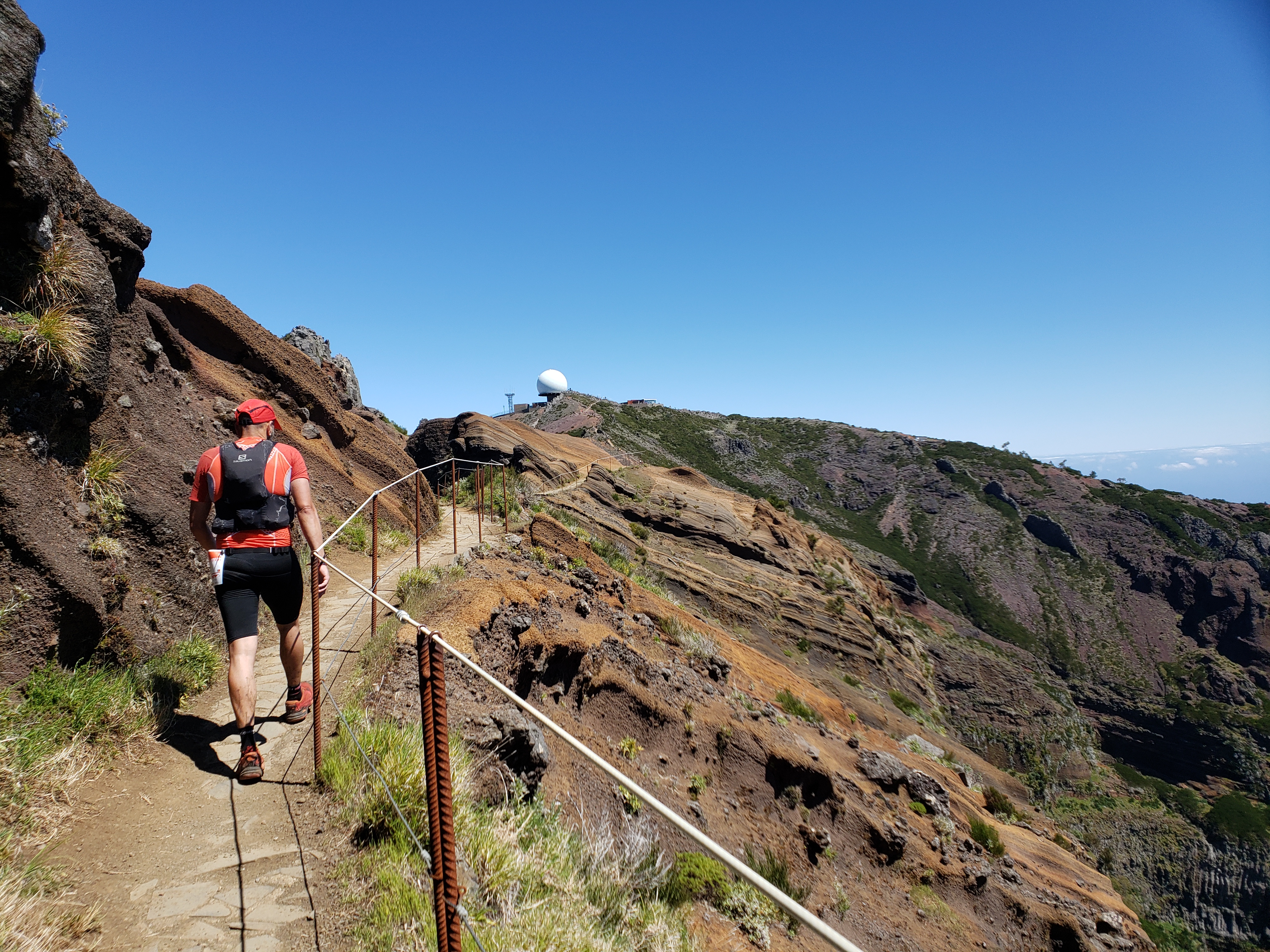
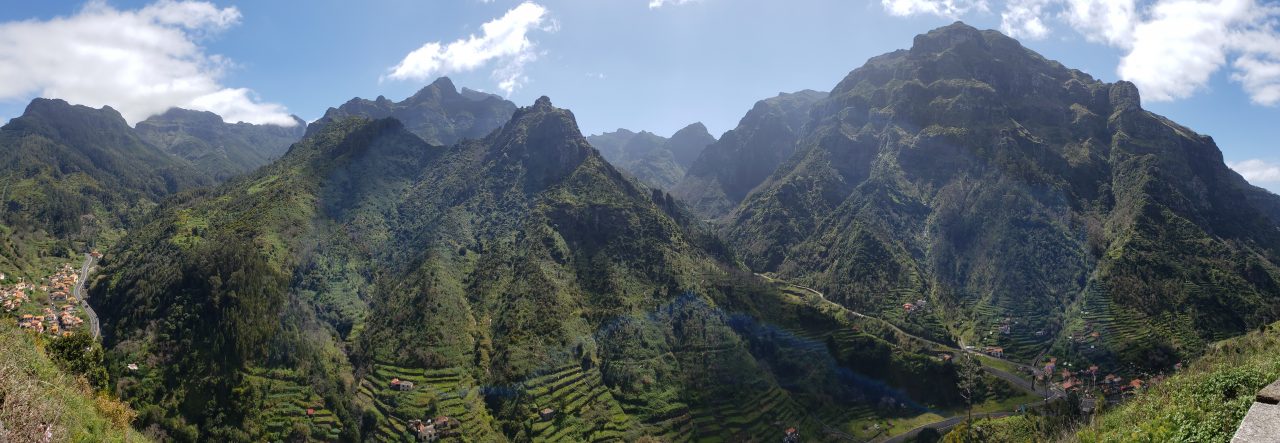
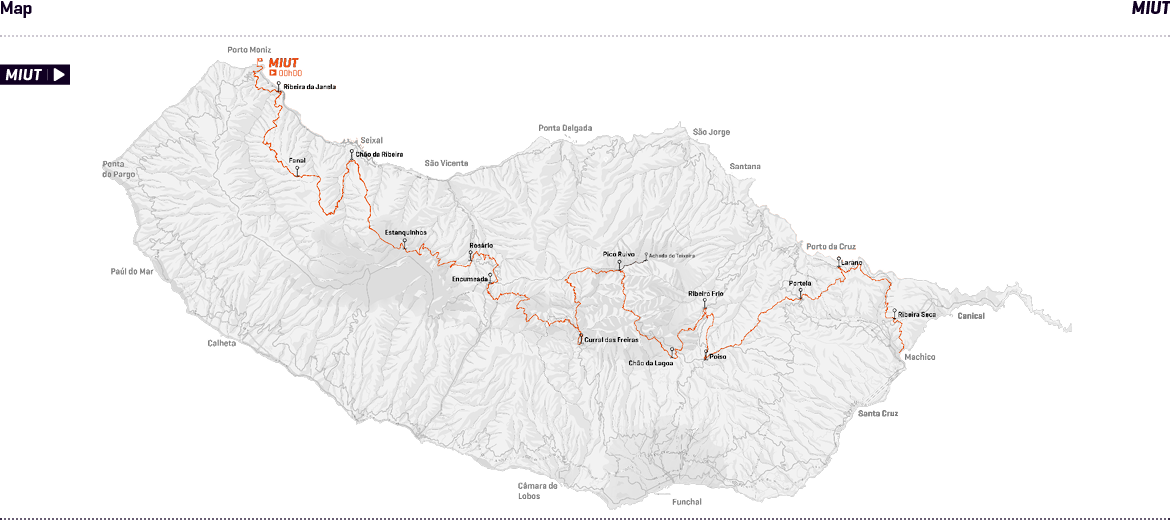
First some stats; Madeira island is part of Portugal located 370 miles off the coast of Morocco. The course is 115K (~72 Miles) with 23,500 ft of climbing. It starts on the Northwestern coast on Madeira in the town of Porto Moniz and finishes in Machico on the Southeastern part of the island. The island terrain is very mountainous and is crisscrossed with path and waterways, many times, carved right into the cliff sides.

I went into the race with 5 months of training under my belt. Probably the longest training cycle that I have completed to date. This included two back to back long days with as much elevation as I could get. This would be the longest race with the most elevation I have completed. I had just hoped that it would be enough to get me through this race. Little did I realize what the stairs of Madeira would do to me.

As we started into the night its not long before we begin climbing. There are people all around me as I brace myself and lean into the first climb with many more to come. The first hill is the smallest of the entire race and was just a taste of what was to come. It was also the most exciting part because it had the most spectators which just amped up the entire situation. After only 10-15 km on the (mostly) streets we entered the forest leaving the cheering crowds behind us.

Since the race starts at Midnight local time that means running in the dark for a good 7 hours or so. For most of that time it was fairly silent with just the pitter patter of runners feet meandering through the woods. There was the occasional group that I would hook up with but for the most part during that time I was by myself and it was also a time where the running was still enjoyable. A lot of the trails follow what are called “levadas” which are the old waterways found throughout the island. Most of these were fairly flat which was nice but every other part of this race was either up or down fairly technical trails. The one I remember the most (because it was the most fun) was this downhill after the second climb. It was kind of a washed out gully that you could just slalom down on the way to Rosario. It was the type of downhill that you didn’t want to end but at a certain point it was so long that I was asking myself when it would end.

The first few climbs went by without too much consequence at the time as I slowly moved my way through the pack. By the time that I got to the half way point at Curral des Freiras I was feeling all the climbs behind me and was walking. We had already climbed more than 15K feet. Curral des Freiras was the largest aid station that we would hit and was also where our drop bags were located. I used this station to regroup and rest a bit while I changed, ate, and contemplated running another 35 miles. I looked around at the carnage in the aid station and some people were in a daze, some stuffing their faces with food (as I was), and some on their way out already. It was a flurry of activity and after about 30-40 min I headed out. Before I was allowed to leave though I had to do a gear check. They asked me for my emergency blanket, phone, and waterproof jacket; all there. If I had failed to produce these I would have been disqualified.

Leaving Curral Des Freiras

It’s amazing what a 30-40 min break can do after running for 12 hours because I felt amazing (better) and good thing because the next climb was the largest, up to Pico Ruivo the high point of the race at about 5,800 ft. The difficulty of this climb comes due to the fact that it’s almost 37 miles into the race and that you’ve already climbed over 15K feet. This climb is about 4,000 ft to that high point. To be honest I don’t remember a whole lot about this climb until I hit one of the traverses where the scenery really opened up. It was probably a bunch of stairs though as almost every other climb had been. Once I hit the top of the climb I took a second to look around and admire the beautiful mountains. I run to get get to these places, places that not everyone has seen and are hard to get to. The views that I saw on this traverse reminded me of this and helped urge me on even higher and further.

Once you reach the high point of the race its a traverse until Poiso. In my opinion this was the coolest part of the race. Much of the trail is perched along the cliffside on paths that had basically been carved into the cliff, which started with a descent on these insane metal stairs bolted straight into the cliffside. In between these cliffside paths are tunnels that go straight through the mountain and that are so long at times they are pitch black in the middle. The first tunnel I refused to take out my headlamp until about halfway. I couldn’t see anything until that point. The last climb to Poiso is a relatively short one comparatively and I found myself passing people still even though I was cooked.

The last 12 miles of the race are almost completely downhill which if you still have some descending legs is a good chance to pass people but my legs were fading fast. I was still able to run (kind of) the flat sections but descending was a different story entirely.

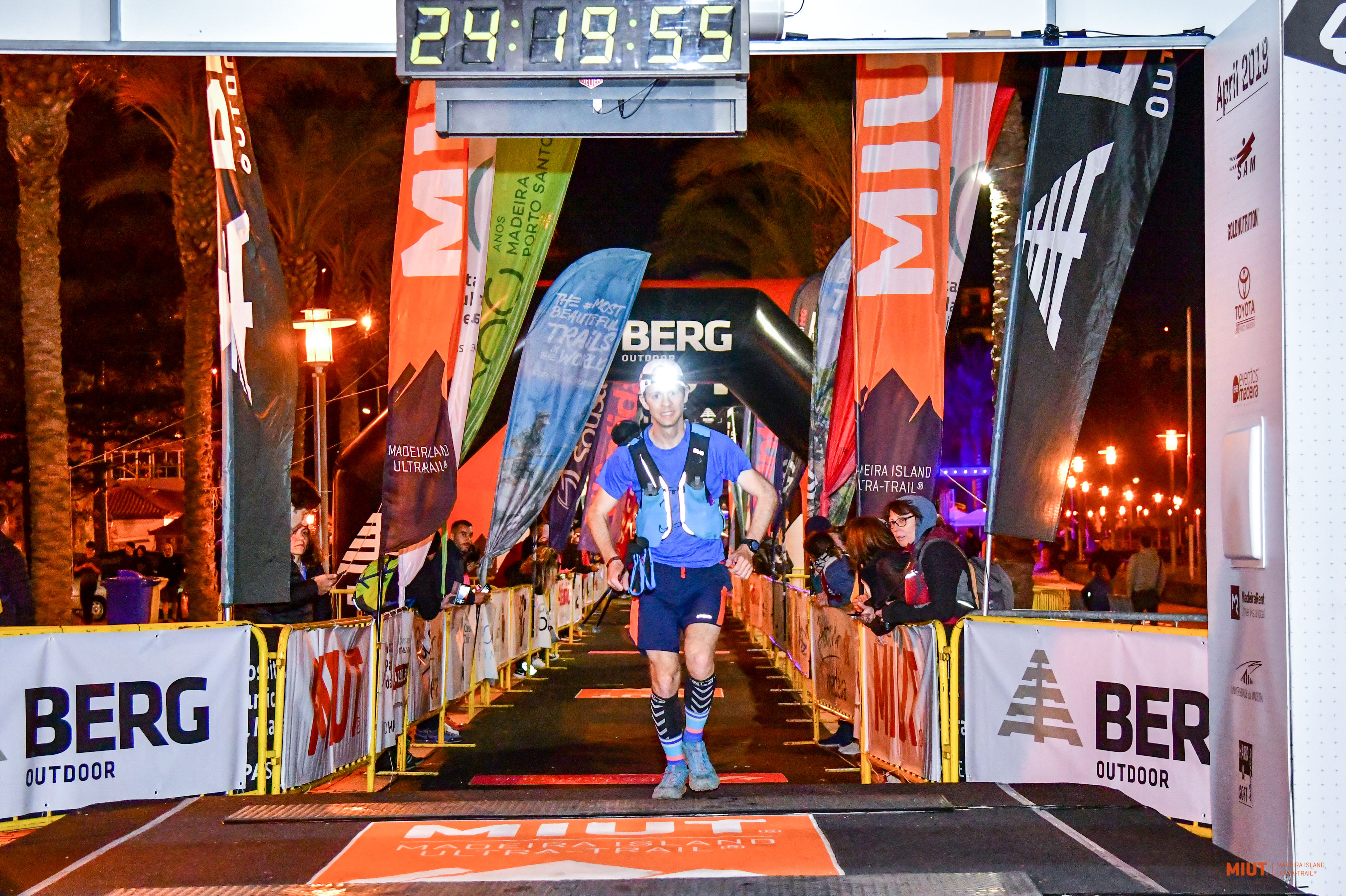
The course continued on to descend a series of “levadas” connected by short steep descents to the finish and with about 8 miles to go my quads just blew completely and it was pure suffering from there to the finish line. The final descent into Machico was the worst of the entire race. Every step that I took downhill was pain and my quads screaming at me to stop but I couldn’t, I was so close. I dropped into the final straightaway and ran the last quarter mile to the finish as fast as I could (which wasn’t very fast at that point). As I crossed the finish I was in disbelief that it was finally over 24 hrs and 19 min from when I started.

A medal was draped over my shoulders and I went into the finishing tent fumbling to get my trekking poles back into my quiver, luckily there was a volunteer there to help me. The same volunteer gave me a meal ticket and I immediately went over and got something to eat. As I ate and surveyed the damage I realized I was still in one piece despite a blister and the fact that the compression sleeves I had put on my calves had almost cut off circulation to my feet. Once I was able to stand again I gathered up my things and made the short drive back to the apartment I was staying at where enjoyed a glass of victory Madeira wine to end the very long day.

Overall this race went very well for me. I had no GI issues, no mental issues or breakdowns, and no hydration issues. It was actually a fairly smooth race all things considered and I didn’t fall once. I think that I took breaks when I needed to and sure I probably could have spent less time in aid stations but if I had I may have suffered later for it. Having a week now to contemplate what actually happened brings everything into perspective. This was the first race that I’ve done of that distance and elevation gain. In the end the sheer volume of everything just broke my body down and was something that I don’t think I could have trained for without doing a race like it. Now I know though and can prepare better the next time I do something like this.